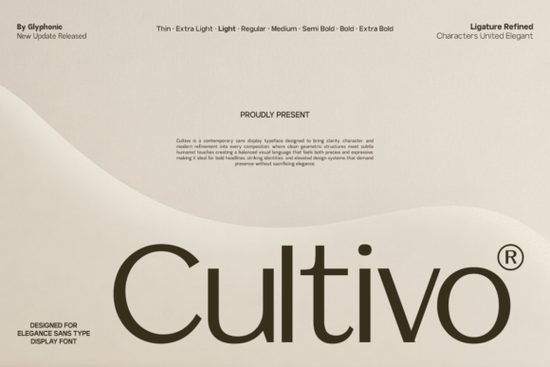
Choosing the right display typeface often comes down to finding a quiet balance between geometric precision and readable warmth. If you are working on brand guidelines, storefront graphics, or digital mockups, Cultivo Font gives you a clean sans-serif foundation that still feels hand-finished. Designers, crafters, and small shop owners often struggle with fonts that look sharp at a large size but lose their shape when scaled down. This particular typeface solves that issue by pairing structured letterforms with subtle humanist curves, making it reliable for product packaging and web headers alike.
What makes a contemporary sans-serif work across print and screen?
Many modern projects need a single family that handles heavy headlines without overwhelming smaller copy. The spacing here is carefully adjusted so letters sit comfortably together, which reduces visual fatigue on monitors and keeps printed materials looking sharp. You will notice refined ligatures that connect specific character pairs smoothly, a typographic detail that matters most in logos, product labels, and short titles. When you need something lighter for everyday layouts, a cleaner alternative for basic projects might also fit your workflow.
For print-on-demand sellers, the real advantage is how the letters hold up across different substrates. Whether you are heat-pressing a cotton tote or designing a digital coupon, consistent stroke weights and open counters keep text legible from a distance. Always test your chosen size on a physical sample before committing to a bulk print run.
How do you pair a bold display face with other typography?
Strong display faces need breathing room to avoid visual clutter. The best approach is pairing them with neutral, highly readable typefaces for supporting text. If your project leans toward minimalist branding or tech interfaces, keeping your layout grid-aligned lets the primary letters speak for themselves. You can explore another balanced option for layered designs when you need a reliable secondary voice. For editorial spreads or lookbooks, a structured alternative with classic proportions works well alongside bolder headings.
- Limit display usage to headings, pull quotes, and short promotional phrases.
- Keep tracking slightly tighter for large titles and slightly looser for medium sizes.
- Choose a simple sans or serif for body text to maintain clear visual contrast.
Where should this typeface live in your actual projects?
High-contrast layouts respond best to typefaces that carry visual weight without feeling cramped. You will find it effective in identity sheets, app navigation, and packaging labels where quick recognition matters. Small business owners frequently use it for window signage, event posters, and social media templates because the clean geometry scales predictably across different platforms. If you are building a cohesive brand system, check the full preview gallery to review style weights and file formats before purchasing.
Remember that readability shifts depending on background contrast. Dark text on light backgrounds remains the safest choice for commercial work. When layering graphics behind text, add a subtle background tint rather than heavy outlines that can distort the intended letter shapes.
What licensing details should creative professionals verify first?
Commercial projects require clear usage rights before files are handed off. Before adding any new typeface to your design library, check whether the license covers digital products, physical print runs, or client deliverables. Most creators offer separate tiers for personal, standard commercial, and extended commercial use. If you plan to sell merchandise or embed letters directly into software, ensure your purchased license matches that specific output. You can read the official specifications for Cultivo Font to confirm your project falls within the allowed terms.
Ready to test the layout before finalizing your files?
Place your headline, a short subheading, and a block of placeholder text into a fresh document. Adjust the baseline grid, check how the special characters render in your final export format, and review the composition at desktop and mobile scales. If everything aligns without feeling cramped, the typeface is ready for production.
- Confirm your license covers print, digital, and merchandise if applicable.
- Export a test print on your chosen material to verify color and contrast.
- Check web rendering across standard desktop and mobile breakpoints.
- Save a separate design version with outlined text for print vendors.
- Store your license PDF and original font files in a backed-up project folder.
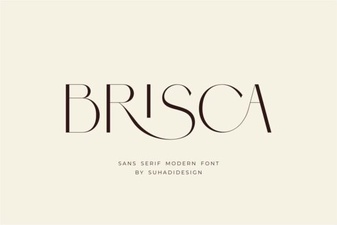 Brisca Font for Modern Design Projects
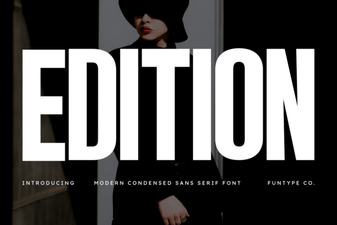 Edition Font Design: Ideas for Your Creative Projects
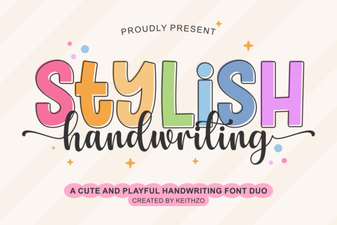 Creative Fonts for Your Beautiful Handwriting Designs
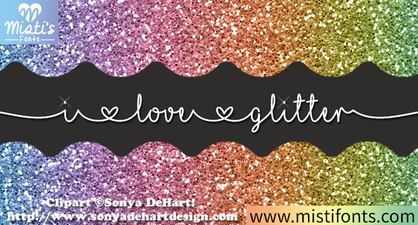 Free Glitter Font Downloads for Creative Designers
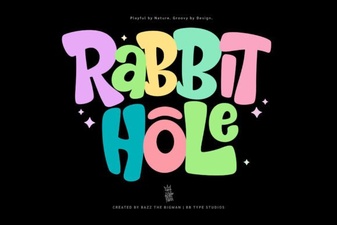 Rabbit Hole Font: Creative Inspiration & Typography Ideas
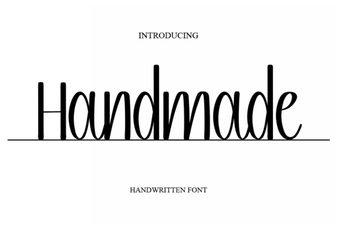 Crafting the Perfect Handmade Font for Your Design Projects