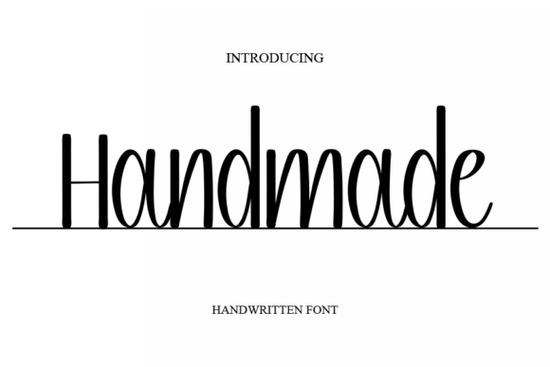
When you need a typeface that feels warm and approachable without looking overly polished, Handmade Font steps in with just the right balance of character and clarity. Crafted to mimic the natural flow of everyday handwriting, it works well for projects that need a personal touch. If you design custom greeting cards, package labels, or social media graphics, this style helps your audience connect with the message before they even finish reading it.
Many designers and small business owners look for script typefaces that stay readable at smaller sizes. This casual script handles that well by keeping letter spacing consistent and avoiding overly tangled ligatures. You can use it for wedding invitations, bakery signage, Etsy product mockups, or classroom worksheets. Because the strokes are open and rounded, it prints cleanly on both digital screens and physical materials like cotton tees, kraft paper boxes, and sticker sheets.
What kind of projects actually benefit from a casual handwritten style?
Handwritten typography shines when you want to soften a brand’s visual voice. Instead of relying on rigid geometric shapes, a relaxed script suggests authenticity and approachability. You might pair it with clean sans serifs for logo lockups, or keep it as the main focus for quote posters and recipe cards. When working with print-on-demand products, test the design at the actual print size. If the text stays clear without pixelation or ink bleeding, you are ready to launch. For crafters using cutting machines or heat press tools, this typeface holds up well when converted to vector paths. You can also explore how Handmade performs alongside other display options before committing to a full campaign.
How do I keep handwritten text from looking messy on screen or paper?
Readability often drops when creators stack too many decorative elements. Start by setting your tracking slightly wider than the default. Handwritten scripts naturally overlap in places, so giving each letter a little breathing room prevents ink smudges during printing and improves tap-target sizing for mobile viewers. Use bold or increased line height for longer quotes, and keep your color contrast strong against light or pastel backgrounds. If you work with laser engraving tools, simplify the path first to remove tiny internal shapes that might not carve cleanly. You might also consider pairing it with a softer script option for layered typography, or try a versatile choice for lifestyle branding.
When testing layouts, try writing out common phrases like “Thank you,” “Handcrafted with care,” or seasonal greetings. These short lines reveal how the letters flow together and where adjustments are needed. You will quickly notice which sizes work best for headers versus captions. If you sell digital downloads, include mockups that show the font at realistic scales so buyers understand the end result. For reference on spacing rules, see what experts recommend for Helvetica before finalizing your baseline alignment.
Which file formats work best for commercial use?
Most designers download the OTF or TTF files for desktop software like Photoshop, Illustrator, and Procreate. These formats handle anti-aliasing smoothly, so your text stays crisp across different operating systems. If you plan to embed the typeface into a website or digital template, check the licensing notes for web font usage. For POD sellers, converting the design to SVG or PDF before uploading ensures the print provider renders the curves exactly as you designed them. Always keep a backup of your original file and a flattened version for quick client previews.
If you are expanding your typography library for seasonal campaigns, this decorative duo works nicely for packaging headers, while a bolder display style stands out on retail tags. Keep a clean everyday alternative in your toolkit for body text replacements or longer descriptions. You can also search for Photography, Ashley Marie, Chiffoncake Duo, Barbie, and Stylish Handwriting to compare how different scripts handle tracking and scaling across various mediums.
Quick next steps for your next project:
- Set tracking to +10 to +20 for cleaner spacing in print.
- Convert text to paths before sending files to any print vendor.
- Test your design on a dark and light background to check contrast.
- Pair with a neutral sans serif for subheadings or body text.
- Save a flattened PNG for social media and the original source file for future edits.
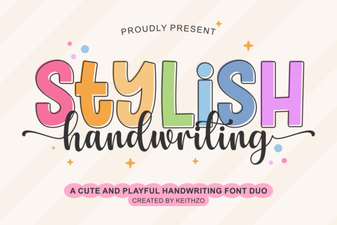 Creative Fonts for Your Beautiful Handwriting Designs
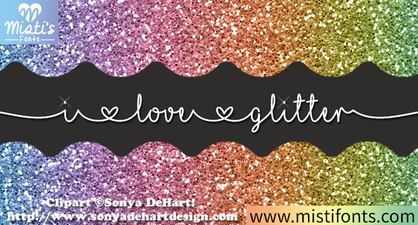 Free Glitter Font Downloads for Creative Designers
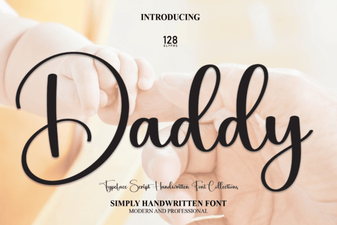 Creative Daddy Font Ideas for Your Graphic Design Projects
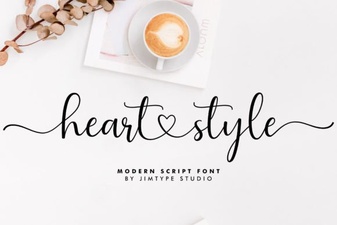 Heartful Typography: Design Ideas & Creative Uses
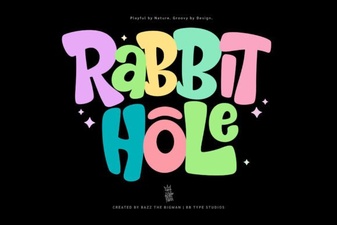 Rabbit Hole Font: Creative Inspiration & Typography Ideas
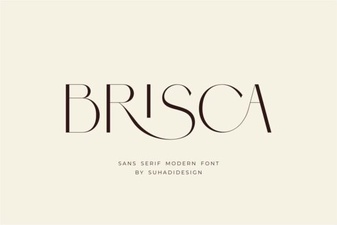 Brisca Font for Modern Design Projects