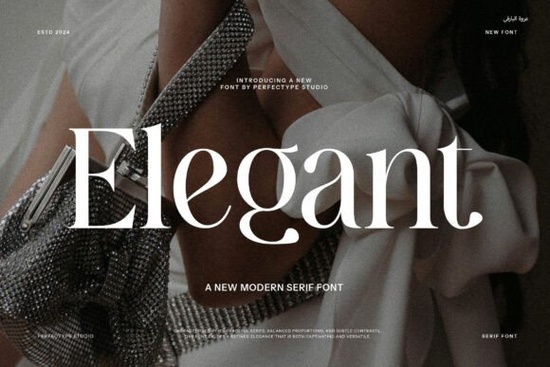
When designing branding, packaging, or print materials, choosing the right typeface sets the entire tone of the project. Elegant Font offers smooth, stylish letterforms with thin strokes and graceful curves that naturally convey a refined, sophisticated aesthetic. Whether you are laying out wedding invitations, crafting luxury product labels, or designing a clean storefront sign, this style helps your work stand out without relying on heavy graphics or loud colors. The subtle spacing and balanced proportions make it easy to read at different sizes while keeping a polished feel.
Designers often wonder how to balance delicate strokes without losing visual impact. The key is contrast. If your headline uses slender, sweeping letters, pair it with a sturdy, high-contrast body type to keep paragraphs legible. You might look into options like the praise serif collection for complementary text blocks, which share similar classical proportions without competing for attention. Testing your hierarchy on a printed proof helps you catch spacing issues before final production.
How should you pair delicate lettering with supporting graphics?
Sophisticated typefaces work best when given room to breathe. Avoid placing them inside crowded layouts or overlapping busy backgrounds. A soft solid color, light paper texture, or simple geometric frame usually provides enough structure to let the curves shine. If you want to add visual interest without overwhelming the design, consider using italic variants for accent phrases or pulling one keyword into a slightly larger tracking value. Many print-on-demand sellers find this approach converts well on apparel tags and minimalist posters because the focus stays entirely on the message.
Which creative projects actually need a refined typographic style?
Not every design calls for high-end styling, but certain niches rely on it heavily. Boutique shops, wellness brands, jewelry makers, and stationery creators use these type styles to signal quality. Small business owners building a storefront benefit from consistent typography that matches their target audience. When customers see polished lettering, they associate it with better craftsmanship. You can explore the elegant serif category to find variations that work well for logos, headers, and stamped packaging.
What file formats and licensing terms should you verify before commercial use?
Digital downloads come with different technical requirements depending on your workflow. Crafters using Cricut or Silhouette usually prefer OTF or TTF files that install directly into their system design software. Web designers often need WOFF files for fast loading, while print shops request high-resolution EPS or SVG vectors for cutting machines. Always check the commercial license before adding the typeface to a product line. Some licenses allow unlimited physical goods, while others require an extended permit for digital resale or template distribution. Reviewing how established designers handle Bodoni spacing can clarify how to adjust margins and leading properly.
Building a reliable asset library takes smart choices. Focus on one versatile family with multiple weights instead of collecting similar scripts. Test how these strokes perform in your mockups by downloading Elegant Font for your headlines. If you manage client projects, the modern bundle pack gives you coordinated weights for consistent branding. Keeping a short list of tested combinations reduces revision rounds. You might also explore Classic Display for larger prints.
Quick pre-production checklist before you export
- Install and preview: Open the typeface in your main design tool and type your exact headline copy to check spacing.
- Check contrast: Place the text over your background color and view it on both a monitor and phone screen.
- Verify licensing: Confirm the download permits the specific commercial use you plan (physical products, digital templates, or web hosting).
- Save a web-safe backup: Keep a WOFF or PNG version ready in case your printer needs a raster file for quick approval.
- Test print a sample: Run one small proof on your actual material to ensure thin strokes do not break during cutting or embossing.
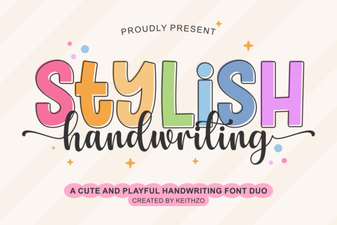 Creative Fonts for Your Beautiful Handwriting Designs
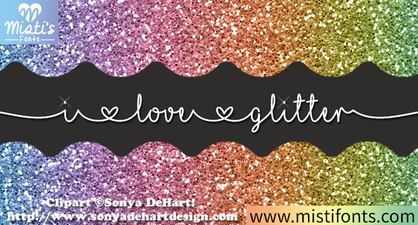 Free Glitter Font Downloads for Creative Designers
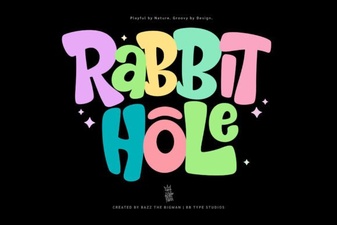 Rabbit Hole Font: Creative Inspiration & Typography Ideas
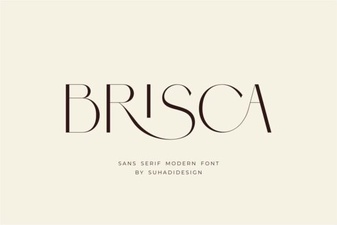 Brisca Font for Modern Design Projects
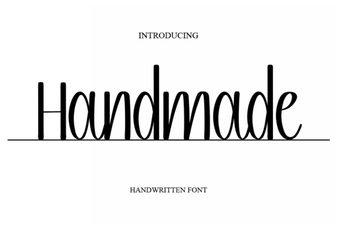 Crafting the Perfect Handmade Font for Your Design Projects
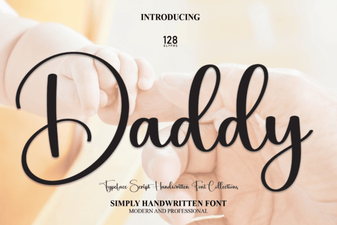 Creative Daddy Font Ideas for Your Graphic Design Projects