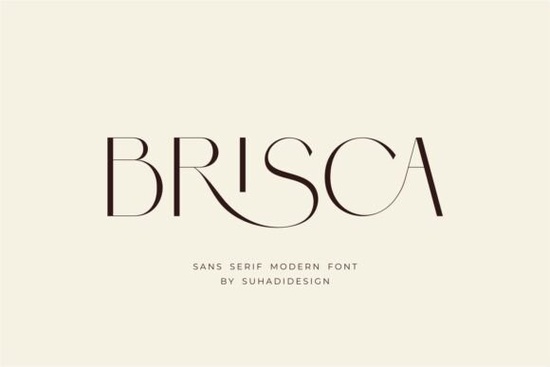
When you need a clean typeface that reads well across both screen and print, picking the right sans serif option matters more than chasing trends. The Brisca Font delivers a straightforward solution by balancing modern geometry with subtle warmth. Designers, small business owners, and craft creators often look for a type family that stays sharp in logos yet feels approachable on packaging. This typeface handles that balance without requiring hours of manual kerning adjustments.
What makes this typeface a reliable choice for everyday branding?
Many clean sans serifs sacrifice character for simplicity, leaving your designs feeling flat or corporate. Brisca avoids that trap by incorporating open apertures and carefully proportioned stems, which improve readability at small sizes. The built-in ligature feature connects specific letter pairs smoothly, saving you time during logo refinement or wordmark creation. Whether you are designing a minimalist skincare label or updating a podcast cover, the spacing stays consistent and professional.
If you are exploring other options to compare weight and structure, checking out a structured alternative or reviewing a slightly more relaxed style can help you decide what fits your current project best. Each type family brings a different mood, but browsing the full official product page gives you access to all available weights and language support.
Where does this typeface actually work best in real projects?
The sweet spot for Brisca lies anywhere clarity and polish are required. Cosmetics and beauty brands rely on clean typography to communicate trust, and this font delivers exactly that on product boxes and social media ads. Print-on-demand sellers use it for quote posters, apparel text, and tote bag graphics because it holds up well in both light and bold weights. You will also see it used in:
- Business cards and stationery suites
- Editorial spreads for indie magazines
- Digital newsletters and email headers
- Brand guidelines and presentation templates
How do you pair it without cluttering your layout?
Type pairing works best when one typeface handles display roles and the other manages body text. Since Brisca already carries enough personality for headlines, keep secondary content neutral. A simple sans serif with higher x-height works well for paragraphs, while a light italic variant from the same family adds subtle emphasis without breaking visual harmony. For broader typography standards, reviewing the Inter collection offers a solid baseline for comparing x-heights and tracking defaults.
Small shops and hobbyists also appreciate fonts that come with clear licensing and straightforward installation. After downloading the files, you can drop them directly into Canva, Adobe Illustrator, or Procreate. Many creators pair this typeface with another contemporary family when they need a softer contrast for body copy, while others prefer to keep everything within the same system. Always save your project files as PDFs with embedded fonts to prevent layout shifts during the printing process.
Does the licensing cover commercial print and digital use?
Most buyers want to know exactly what they can do before purchasing. Standard font licenses typically allow you to use the typeface for physical products, client work, and digital marketing, but they restrict reselling or distributing the raw font files. Always check the included PDF before uploading your artwork to a print-on-demand platform. If you plan to use the glyphs on merchandise, make sure your seller account allows third-party typography, and keep a copy of your license receipt handy for future reference.
Before finalizing your next design, run through this quick checklist to make sure your typography stays sharp and legally compliant:
- Test the ligatures at your intended size to confirm they align with your spacing preferences.
- Print a 200px draft on standard paper to check how the letterforms render without screen sharpening.
- Verify contrast by placing your headline over both light and dark backgrounds.
- Save your final license documentation in a dedicated project folder for audits or client handoffs.
- Export your design with outlined text if you are sending files to a third-party print vendor.
Keeping your type system organized saves hours of revision time later. Once you lock in your primary font choice, stick to a maximum of two type families per layout, and let consistent spacing do the heavy lifting.
Explore Design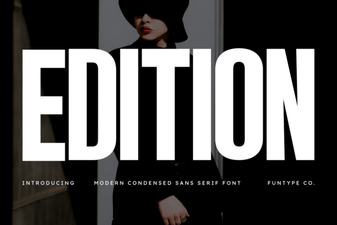 Edition Font Design: Ideas for Your Creative Projects
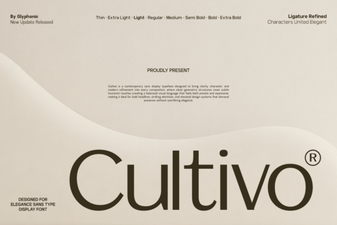 Cultivo Font for Modern Design Projects
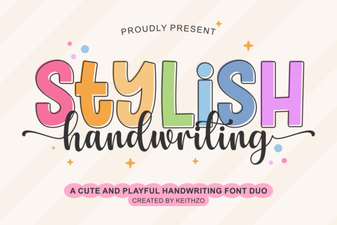 Creative Fonts for Your Beautiful Handwriting Designs
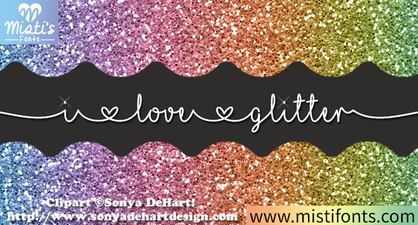 Free Glitter Font Downloads for Creative Designers
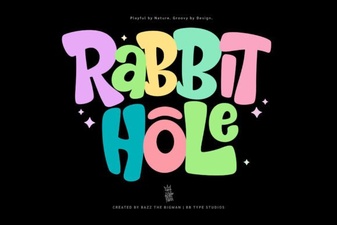 Rabbit Hole Font: Creative Inspiration & Typography Ideas
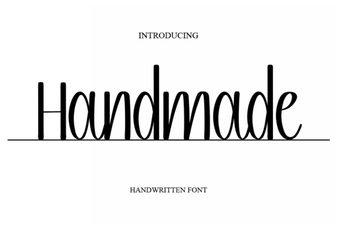 Crafting the Perfect Handmade Font for Your Design Projects