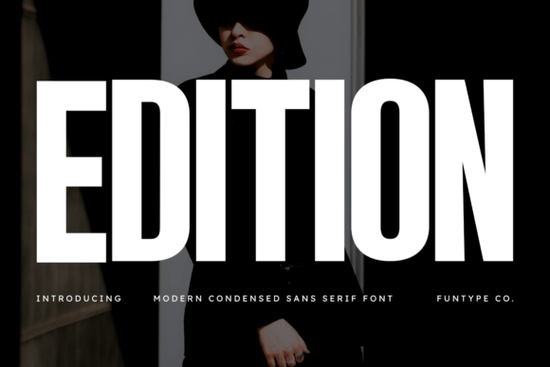
Typography plays a quiet but powerful role in how quickly people understand your message, and choosing the right typeface can simplify that entire process. Edition Font was created with exactly that goal in mind. It is a bold, ultra-condensed sans serif typeface built for projects that need to grab attention without taking up unnecessary horizontal space. Designers, crafters, print-on-demand sellers, small business owners, and creative hobbyists often reach for narrow, heavy lettering when they want to fill vertical layouts or create striking headers. This typeface delivers a confident visual presence that works reliably across digital screens and physical merchandise.
When is a narrow sans serif the best choice for your layout?
Narrow letterforms excel when your canvas has strict dimensions but your headline still needs to dominate the page. Because the character widths are tightly packed, you can fit longer titles into smaller areas without shrinking the overall point size. This makes it highly practical for album covers, sports event posters, and product packaging where space is limited but visual impact still matters. If you are exploring other display options, the Brisca font provides a slightly different geometric balance that works well alongside broader spacing strategies.
You will notice the best results when you pair these tight shapes with generous white space. The contrast between the compact letters and open margins keeps the composition from feeling cramped. Many creators also find that stacking short phrases in all-caps creates a solid rhythm that naturally guides the eye downward.
How do you keep heavy lettering readable on printed products?
Weight and width often work against each other when you scale up designs for t-shirts, mugs, or large banners. The key is to adjust your tracking and leading so the ink or heat transfer does not bleed together. When you print on textured fabrics, a slightly increased line height prevents the strokes from merging. For projects that require a softer visual tone, browsing through the Cultivo font collection can help you compare how different x-heights perform under various printing conditions.
- Keep your primary message under eight words for maximum clarity.
- Use high contrast between the text and background to maintain sharp edges.
- Test a small print run before committing to a full production batch.
What should you consider before using bold type in branding?
Strong typography carries weight in brand identity, but consistency matters more than sheer size. When you select a condensed family, you are making a deliberate statement about precision and modern energy. That energy needs to align with your overall visual language. Small businesses often use heavy headers for logos and then step down to a lighter companion for body text. If your brand leans toward a casual or handcrafted vibe, pairing your headlines with something like the Salty Beach font creates a balanced hierarchy that feels intentional. Understanding type pairing basics is also a helpful step before launching a full rebrand.
How do you style this typeface without overwhelming the design?
Overusing bold, compressed lettering can quickly make a layout feel aggressive. The trick is to treat the text as a structural element rather than the only focal point. Layering semi-transparent shapes behind the headlines, or using a muted background tone, allows the letters to sit comfortably. Many designers also apply a subtle stroke to improve separation from busy textures. You can review the complete character set and licensing details for the Edition font to ensure it covers all the special characters your project requires. For broader typography guidelines, reading about the Helvetica font can clarify how weight distribution works across different layouts.
Working with condensed type requires a steady hand and a clear plan. Start by sketching your layout with placeholders, then drop the final text in at full size. Check how the curves interact with your grid, and adjust the margins until the composition breathes. The more you practice aligning tight letterforms with open space, the more intuitive the process becomes.
Quick checklist before you finalize your project
- Check spacing: Add a little tracking to all-caps lines to improve legibility.
- Verify licensing: Confirm your commercial use rights match your sales platform.
- Test at size: View your design on both mobile screens and printed mockups.
- Balance contrast: Ensure your background tone does not clash with the heavy strokes.
- Save originals: Keep a layered file so you can adjust spacing or swap colors later.
Take these steps before exporting your final files, and your typography will look sharp across every format you produce.
Download Now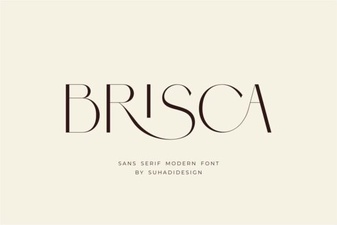 Brisca Font for Modern Design Projects
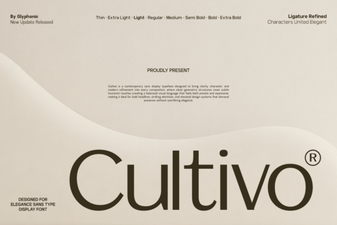 Cultivo Font for Modern Design Projects
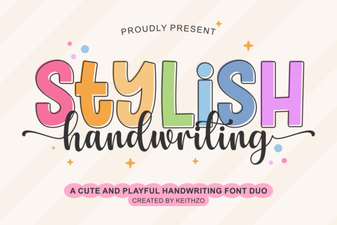 Creative Fonts for Your Beautiful Handwriting Designs
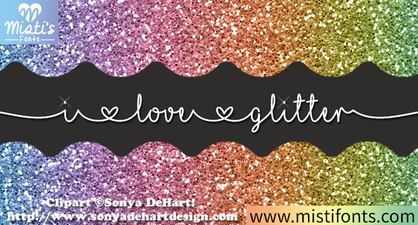 Free Glitter Font Downloads for Creative Designers
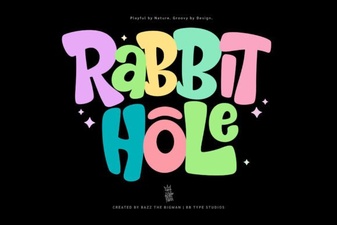 Rabbit Hole Font: Creative Inspiration & Typography Ideas
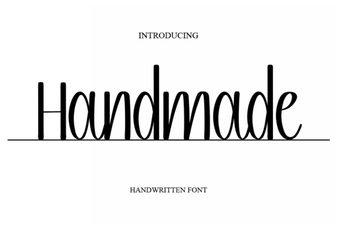 Crafting the Perfect Handmade Font for Your Design Projects