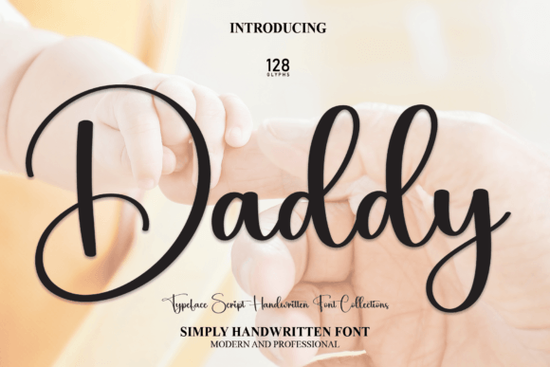
When you need a typeface that feels personal and warm, handwritten scripts often handle the heavy lifting without looking too polished or stiff. Daddy Font fits this exact need by bringing a soft, flowing rhythm to your layouts. It carries a gentle bounce in each stroke that makes it feel like it was written with genuine care. If you work with print on demand products, plan stationery sets, or just want your digital graphics to feel more approachable, this style gives you a reliable starting point that keeps things light without crossing into messy territory.
What kind of projects actually suit a soft handwritten script?
You will find this typeface working best on pieces that communicate warmth or celebration. Think about wedding invitations, baby shower cards, greeting cards, and personalized gift tags. The smooth curves read clearly at medium sizes, which makes it a safe choice for both print materials and social media graphics. Because the letters have consistent spacing, you do not need to spend extra time adjusting tracking to make it look balanced. It also pairs nicely with simple sans serif fonts for body text, giving viewers a clear place to rest their eyes.
How do you keep script typography readable on physical products?
Readability drops quickly when cursive letters get too small or sit against busy backgrounds. To avoid this, keep your main message above twelve points on paper items and reserve lighter weights for larger displays. Use high contrast between the text and your background, and avoid placing the letters over detailed illustrations. If you are designing for apparel or tote bags, test the print at full scale before running your final batch. Many crafters also add a subtle outline to separate the letters from the fabric texture. These small adjustments preserve the delicate curves while keeping the words sharp.
Which similar typefaces offer the right balance for branding?
Handmade projects often require a touch of authenticity, which is why many sellers look for typefaces that mimic natural pen strokes. If you want to explore similar styles, the brittany signature option offers a slightly sharper elegance that works well for modern weddings. For a rounder, cozier feel, the biscuit typeface brings a playful energy to bakery labels. When romance is the main goal, a heart-shaped script can add immediate emotional weight to anniversary prints. And if you need something that feels slightly uneven on purpose, checking out the handmade collection will give you plenty of organic alternatives. Of course, if you decide this specific gentle script fits your current project, you will find it sits comfortably across all of these use cases.
What pairing combinations actually save time during layout?
You do not need to overcomplicate your typography to make a design look professional. Match one expressive script with one neutral text font. Clean geometric sans serifs or simple transitional serifs create a quiet frame that lets the flowing letters stand out. Keep your script for headlines, short quotes, or accent words, and use the secondary typeface for longer paragraphs. For more detailed typography pairing principles, you can review standard guidelines on Montserrat to see how contrast affects readability.
What common spacing mistakes should you watch out for?
Script fonts rely on careful letter connections to look natural. When you stretch or squash the text to fit a specific box size, the strokes will distort and lose their intended rhythm. Instead of forcing the type, adjust your composition around the letters. Leave extra breathing room on all sides, and align the script to the baseline of your secondary typeface. If a word looks too tight, try breaking it into two lines rather than messing with manual kerning. Remember, white space is your friend when working with flowing type. Always step back from your screen before finalizing your layout to catch any hidden crowding.
- Test readability at actual size – Print or view your design at one hundred percent scale to catch any blurring.
- Outline or embed fonts – Convert text to paths before sending files to manufacturers to prevent missing font errors.
- Check color contrast – Ensure the script color stands out clearly against your chosen background without vibrating.
- Keep line height consistent – Maintain steady spacing between lines so the handwritten flow stays balanced.
- Export in the right format – Use PDF for print, PNG for web overlays, and SVG for cutting machines.
Pick one project you have in your draft folder, drop the script in as your main headline, and print a single test copy. Seeing the letters on real paper or your target screen will tell you immediately if the size, weight, and spacing need a quick tweak before your final run.
Try It Free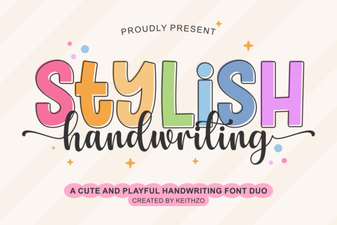 Creative Fonts for Your Beautiful Handwriting Designs
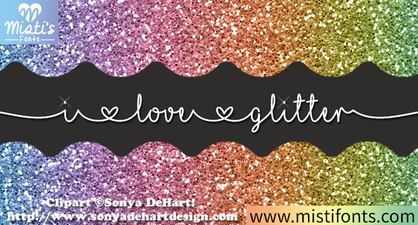 Free Glitter Font Downloads for Creative Designers
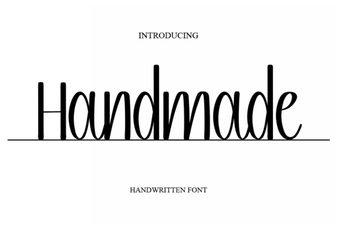 Crafting the Perfect Handmade Font for Your Design Projects
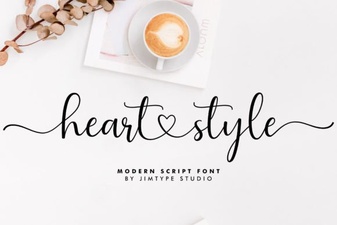 Heartful Typography: Design Ideas & Creative Uses
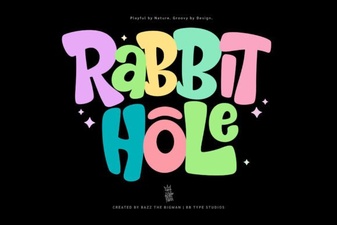 Rabbit Hole Font: Creative Inspiration & Typography Ideas
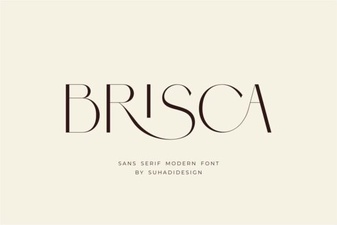 Brisca Font for Modern Design Projects