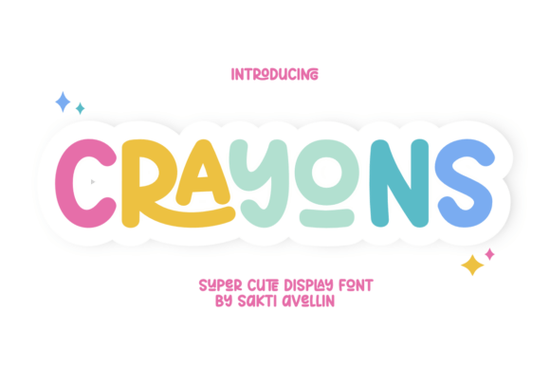
Finding the right typeface for handmade projects or small business branding often means balancing personality with readability. The Crayons Font solves this by delivering a genuine handwritten texture that mimics actual wax crayon strokes. Instead of relying on overly polished digital lines, this display typeface keeps a slightly uneven baseline and organic weight variation that feels warm and familiar. It works especially well when you want to connect with customers on a personal level, particularly for baby showers, classroom materials, or boutique product packaging.
When does a textured display typeface actually improve a print-on-demand design?
If you sell products through print-on-demand platforms, your typography choice directly influences how shoppers perceive your brand. A rigid or heavily corporate font rarely stops someone scrolling past a listing, but something with visible character draws the eye. This particular typeface shines on apparel and accessories because the strokes naturally complement cotton textures, canvas totes, and ceramic surfaces. You can place short phrases, single words, or small quotes across the chest of a shirt without overwhelming the blank space. This creative typeface pairs nicely with a clean geometric sans serif to maintain balance while keeping the playful vibe front and center.
How does a casual sketch style compare to more structured alternatives?
Many shop owners start with blocky, collegiate, or highly uniform lettering because it feels safe. Yet, safety does not always translate to sales in niche markets that value authenticity. When you need something that feels lived-in and approachable, swapping out stiff letterforms for organic alternatives makes a noticeable difference. If your collection leans toward western themes, you might explore a western-inspired display style to match boot and denim imagery. For academic or sports-related merchandise, a classic athletic lettering option often delivers that bold, traditional look. Both serve different aesthetics, while the crayon-inspired strokes stay firmly in the family-friendly and handmade category.
What everyday items respond best to whimsical handwritten text?
Beyond apparel, this lettering style adapts quickly to paper goods, home decor, and personalized gifts. Customers buying greeting cards or birthday invitations usually look for something that feels crafted rather than generated by default software. The natural spacing and soft edges translate well onto kraft paper, matte frames, and linen-textured pillows. You might also pair it with a quirky decorative font when layering multiple text elements on a poster, keeping one line prominent and using the secondary typeface for smaller details. For educational worksheets or nursery wall art, the familiar crayon aesthetic immediately signals comfort and playfulness to parents.
What common layout mistakes should I avoid before printing?
New designers often stretch the width or height of display fonts to fit specific shapes, which distorts the stroke thickness and ruins the organic feel. Instead, adjust the tracking or line spacing before warping individual characters. Another frequent error involves pairing it with too many other styles. A single strong phrase needs breathing room, so avoid stacking multiple decorative typefaces on one layout. Keep your color palette simple, usually limiting yourself to two or three complementary shades that match the product background. When you follow these basic typographic rules, the artwork stays professional even though the strokes feel casual and hand-drawn.
How do I verify file specs and commercial usage terms?
If you want to verify licensing details or compare similar character sets, visiting the official Crayons Font product page will give you the most accurate information for your specific project needs. Always confirm whether the license covers physical goods, digital templates, or both before uploading files to a marketplace. Generating your final artwork at 300 DPI using a vector format like SVG prevents edge blurring when scaled for different print sizes. You can also reference how other creators structure their commercial typeface layouts to understand industry standards for bulk fulfillment.
What should I check before finalizing a design for customers?
- Contrast test: View your text over both light and dark mockups to ensure legibility at a glance.
- Scale check: Shrink the canvas to phone size to verify the strokes remain clear without turning muddy.
- License confirmation: Keep a digital copy of your download receipt and usage terms for your business records.
- Mockup validation: Order one physical sample from your supplier to see how the ink sits on your chosen material.
Start your next project by sketching a few layout ideas on paper, then digitize only the strongest concept. Keep your text short, test it across three different background colors, and export the final file as a high-resolution PNG or SVG. This straightforward workflow saves revision time and helps your handmade or print-on-demand products reach buyers faster.
Explore Design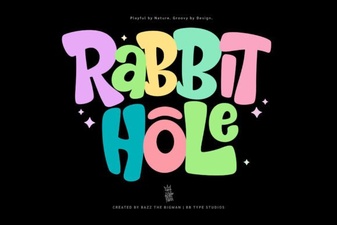 Rabbit Hole Font: Creative Inspiration & Typography Ideas
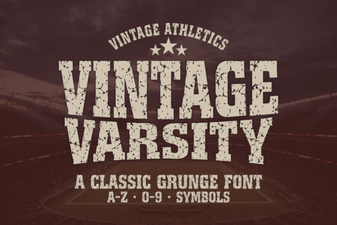 Retro Typography for Modern Design Projects
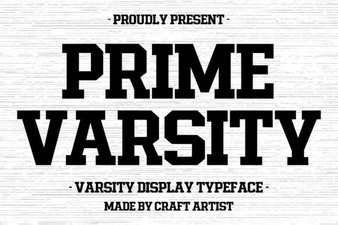 Prime Varsity Font: Clean Design for Creative Projects
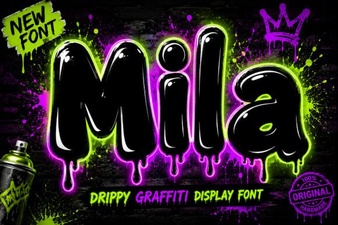 Mila Font: a Modern Approach to Clean Design
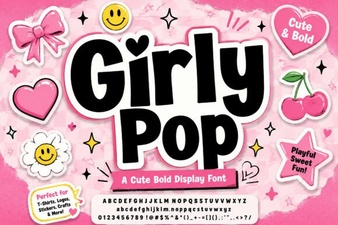 Girly Pop Fonts for Creative Design Projects
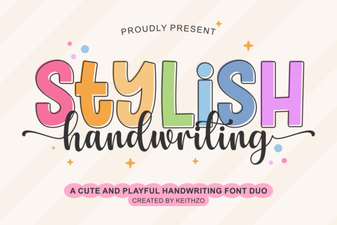 Creative Fonts for Your Beautiful Handwriting Designs